Category: Rectal Prolapse Treatment

Rectal prolapse can be a concerning and uncomfortable condition that significantly impacts daily life. That uncomfortable feeling of something protruding where it shouldn't be, combined with the worry about what it means, leaves many people wondering whether they need to rush to the emergency room or if it can wait. Let's break down when rectal prolapse becomes truly urgent and when you can breathe a little easier.
What's Actually Happening With Rectal Prolapse
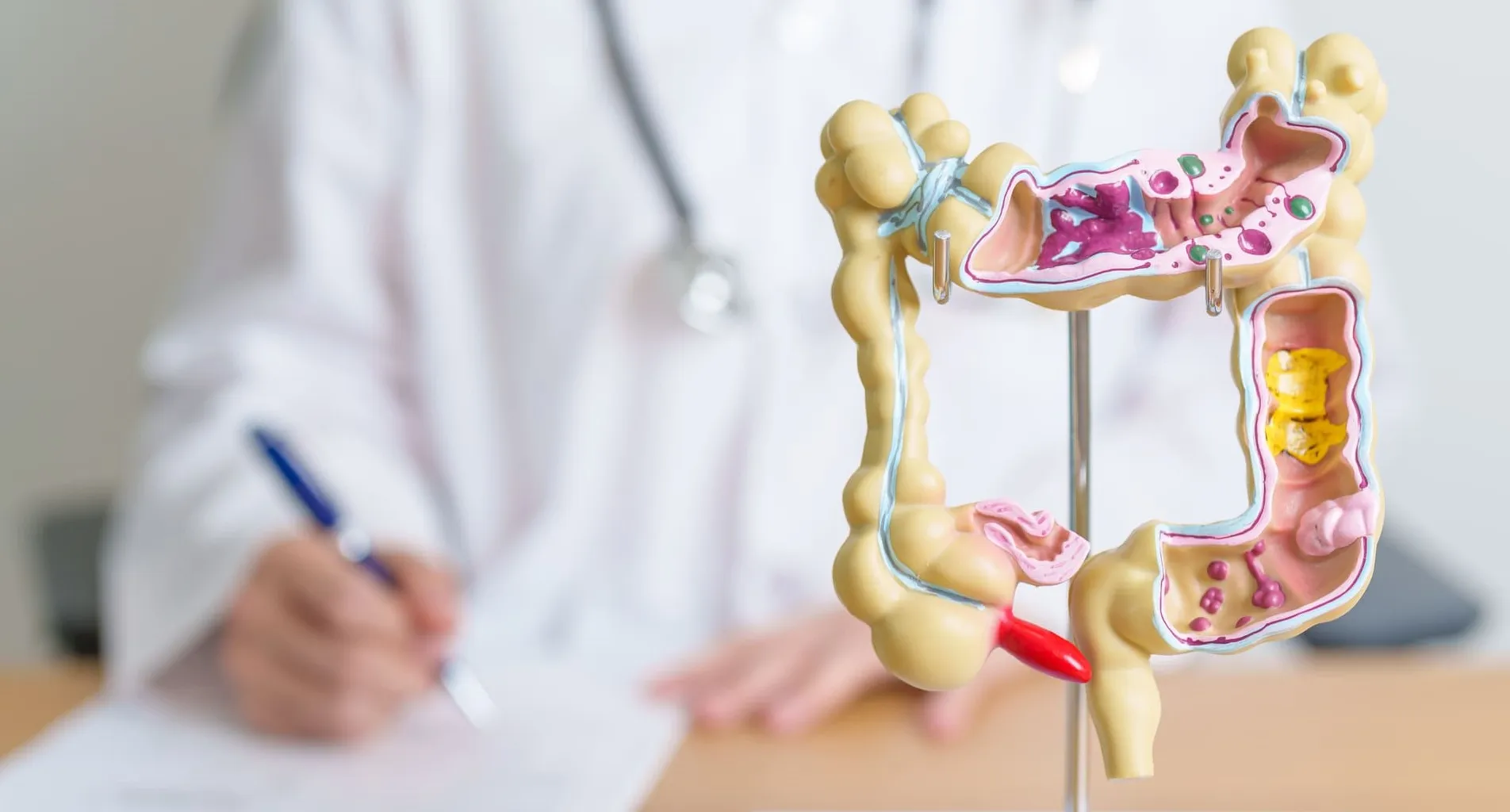
Rectal prolapse happens when your rectum literally turns inside out and pokes through your anus, creating what looks like a red-purple lump. It's not pretty, and it's definitely not comfortable. This mainly affects women in their 60s and 70s, though it can happen to anyone.
There are two types to worry about - full-thickness prolapse, where the entire bowel wall is involved, and partial-thickness, where just the inner lining protrudes. Both can be distressing, but knowing which type you're dealing with helps determine how urgently you need rectal prolapse treatment in Melbourne.
When You Need to Drop Everything and Get Help Now
Some situations with rectal prolapse absolutely cannot wait. If you're bleeding heavily and it won't stop or keeps getting worse, that's your cue to get medical help immediately. Heavy bleeding can signal serious tissue damage that needs urgent attention.
Here's the really scary one - if that prolapsed tissue gets stuck and you can't gently push it back in, you're looking at a medical emergency. When the prolapse becomes trapped, blood supply can get cut off, which can cause serious damage to the tissue.
If the prolapsed tissue looks dark, black, or becomes extremely swollen, this means blood flow is compromised and you need emergency rectal prolapse treatment in Melbourne right away. The tissue is basically dying without proper blood supply.
Sudden, severe pain that comes out of nowhere or dramatically worsens also means something's gone wrong. While prolapse usually causes discomfort rather than excruciating pain, a sudden change in pain intensity suggests complications that need immediate attention.
Signs That Mean "Soon" Rather Than "Right Now"
Not every prolapse symptom requires a mad dash to the hospital, but some definitely need prompt attention. If your prolapse episodes are happening more often, lasting longer, or the prolapse itself is getting bigger, it's time to seriously consider rectal prolapse treatment in Melbourne.
Worsening incontinence that's starting to control your life rather than the other way around needs professional help. The good news is that proper treatment improves incontinence symptoms in about half of all patients, so there's real hope for getting your life back.
When you find it increasingly difficult to push the prolapse back in manually, or when what used to be a small, manageable issue becomes a large, obvious problem, you're dealing with progression that won't fix itself.
When Home Remedies Stop Working
Kids sometimes get lucky with rectal prolapse - avoiding straining and gentle care can occasionally solve the problem naturally. Adults? Not so much. Full-thickness prolapse in adults almost always requires surgical rectal prolapse treatment in Melbourne to get lasting relief.
If you've been trying dietary changes, pelvic floor exercises, and being extra careful about bathroom habits for several weeks without improvement, it's time to accept that you need professional help. Continuing to hope it'll go away on its own usually just leads to the problem getting worse and requiring more complex surgery later.
Ongoing bleeding with mucus, even if it's not dramatic, indicates persistent irritation that benefits from proper treatment. These symptoms rarely disappear without intervention and can really mess with your quality of life.
What Treatment Actually Looks Like Today
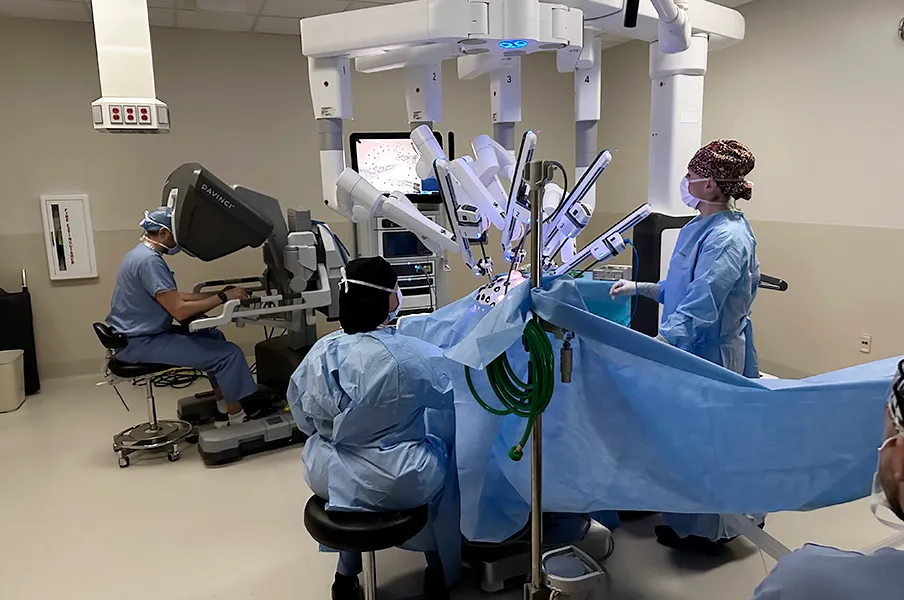
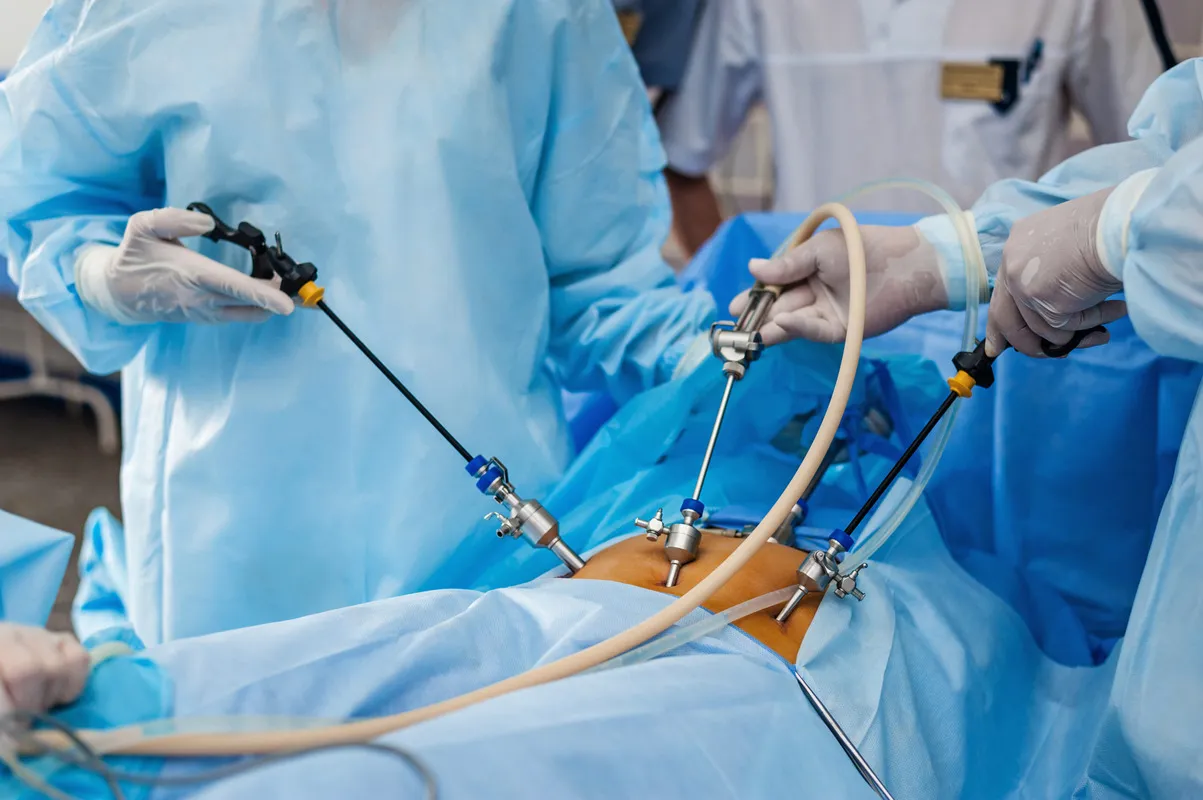
Modern rectal prolapse treatment in Melbourne offers some genuinely effective options that don't involve weeks of recovery or terrible complications. Laparoscopic ventral rectopexy has excellent success rates, especially for older patients, and avoids the constipation problems that used to plague older surgical techniques.
The laparoscopic procedure places mesh between the rectum and vagina for support, securing it to nearby tissues. Most patients tolerate this approach well and see good results over time.
Other options include the Delorme procedure and Altemeier rectosigmoidectomy. Your surgeon will choose the best approach based on your anatomy and health. Treatment is always individualised to what works best for each person.
Getting the Help You Need
At Bayside Colorectal Group, we know prolapse symptoms can be worrying and uncomfortable. Many people put off getting help, but seeing a specialist earlier usually means better treatment options.
We use detailed testing, including muscle function studies and ultrasound to understand exactly what's happening. This helps us work out the right treatment approach for you.
If prolapse is affecting how you live day to day, it's worth getting it checked out properly. Our team at Bayside Colorectal Group can talk through what's happening and what options might help in your situation.
Disclaimer: This information is for educational purposes only and should not replace professional medical advice. Always consult with your healthcare provider for personalised treatment recommendations.

Dealing with rectal prolapse? You're not alone, and you definitely don't need to feel embarrassed about it. This condition affects way more people than you'd think – mostly women over 60 – and the good news is there are real solutions available.
The big question everyone asks: "Do I really need surgery, or can physiotherapy fix this?" Let's dive into what actually works and what's just wishful thinking.
What's Really Happening Down There?
Rectal prolapse sounds scary, but it's pretty straightforward. Your rectum basically flips inside out and pokes through your bottom. Sometimes it's just the lining (doctors call this partial-thickness), but often it's the whole thing (full-thickness).
You'll definitely know something's wrong. There's this uncomfortable purple-ish lump that might go back in by itself, plus you're dealing with bleeding, weird discharge, and probably some embarrassing accidents. Not fun, but totally manageable with the right help.
Why does this happen? Your pelvic floor muscles might be weak, or you might just have anatomy that makes you more prone to it. It's not your fault – some people are just built this way.
So, Can Physio Fix This Thing?
Pelvic floor physiotherapy is amazing for a lot of things, and it can definitely help with rectal prolapse symptoms. Melbourne has some fantastic pelvic floor clinics where therapists work with you on strengthening exercises, teach you better bathroom habits, and use cool techniques like biofeedback.
Many people feel so much better after working with a pelvic floor physio. Your incontinence might improve, you'll feel stronger, and you'll understand your body better. It's absolutely worth trying, especially for managing day-to-day symptoms.
But here's the truth bomb: if you're an adult with full-thickness rectal prolapse, physio alone won't make it disappear. Kids sometimes get lucky with conservative treatment, but grown-ups usually need something more definitive. Think of physio as a good friend, not a superhero.
When Surgery Becomes Your Best Bet
Look, nobody wants surgery, but sometimes it's exactly what you need to get your life back. Modern rectal prolapse treatment in Melbourne is incredibly sophisticated, and surgeons have dozens of techniques to choose from.
The current favorite is laparoscopic ventral rectopexy – fancy name for a minimally invasive procedure where they use a special mesh to hold everything in place. Sounds intense, but it works brilliantly and recovery is way easier than older techniques.
This approach for rectal prolapse treatment in Melbourne has crazy good success rates and older patients handle it really well. Plus, you won't deal with the constipation problems that used to plague other surgical options.
Other Ways to Get Things Fixed
Not everyone needs the same surgery. Some people do great with perineal procedures like the Delorme or Altemeier techniques. These work from a different angle but can be just as effective for the right person.
Want some hope? About half of people see major improvements in their incontinence after surgery. That's pretty encouraging when you're weighing your options for rectal prolapse treatment in Melbourne.
Getting the Full Picture
Smart rectal prolapse treatment in Melbourne starts with proper evaluation. You'll need a thorough exam, maybe some scoping procedures, and possibly specialized tests to see how your muscles and nerves are functioning.
Don't try to tough this out or hope it'll resolve itself. The sooner you get proper assessment, the more options you'll have.
The Real Deal About Treatment Success
Here's what patients really want to know: most people feel dramatically better after getting proper treatment. Whether that's surgery or a combination approach with physio, the vast majority of people get back to living normally.
The key is finding the right team who understands both the medical side and what you're going through emotionally.
Time to Stop Suffering
At Bayside Colorectal Group, we understand how challenging this condition can be. Our specialist colorectal surgeons focus on providing up-to-date, quality care with an emphasis on efficient, state-of-the-art management from initial assessment through follow-up.
Don't let this condition control your life any longer. Contact us to discuss what rectal prolapse treatment in Melbourne options are available for your specific situation. We're here to help you explore the best path forward with compassionate, patient-centered care.