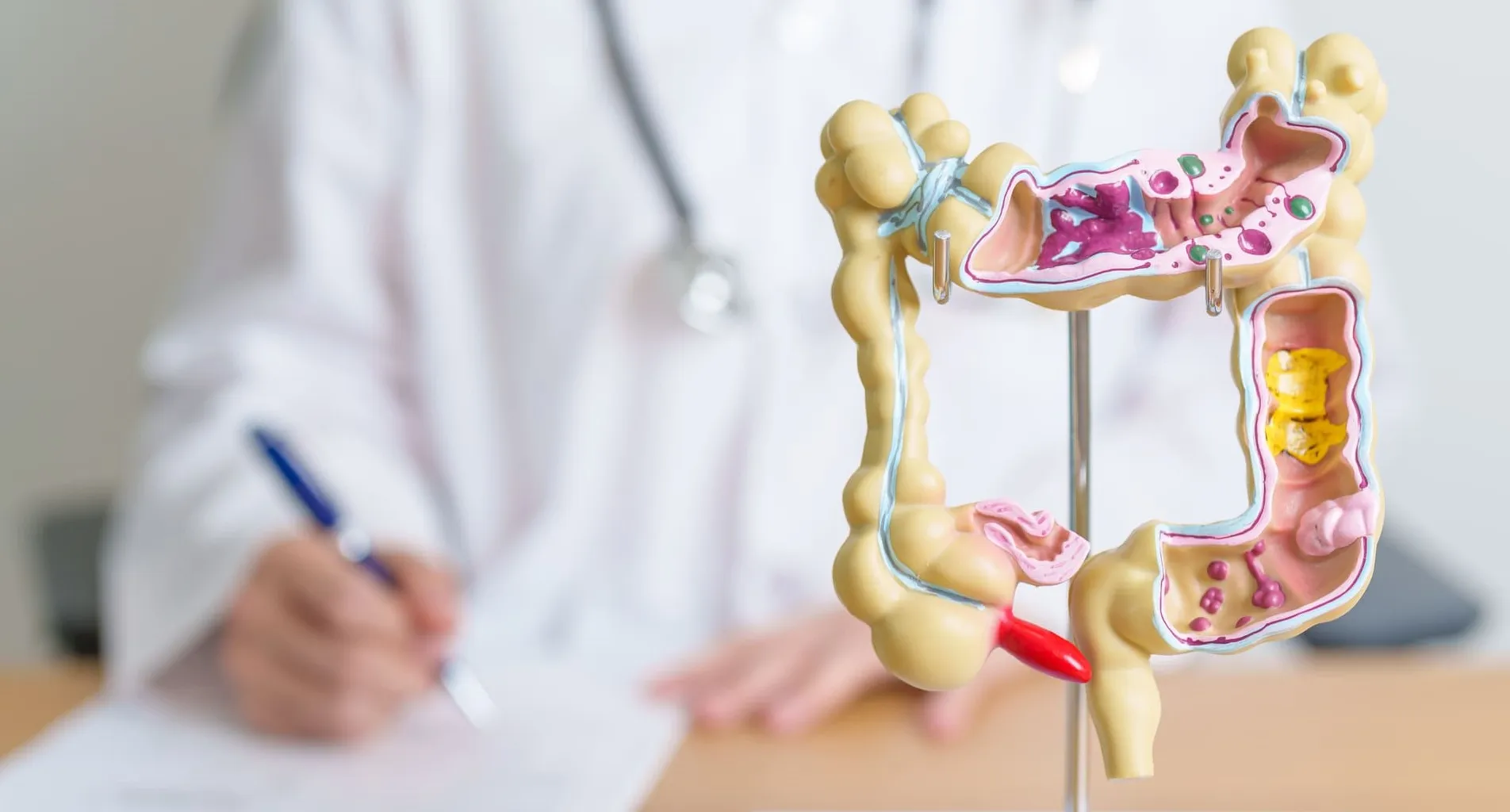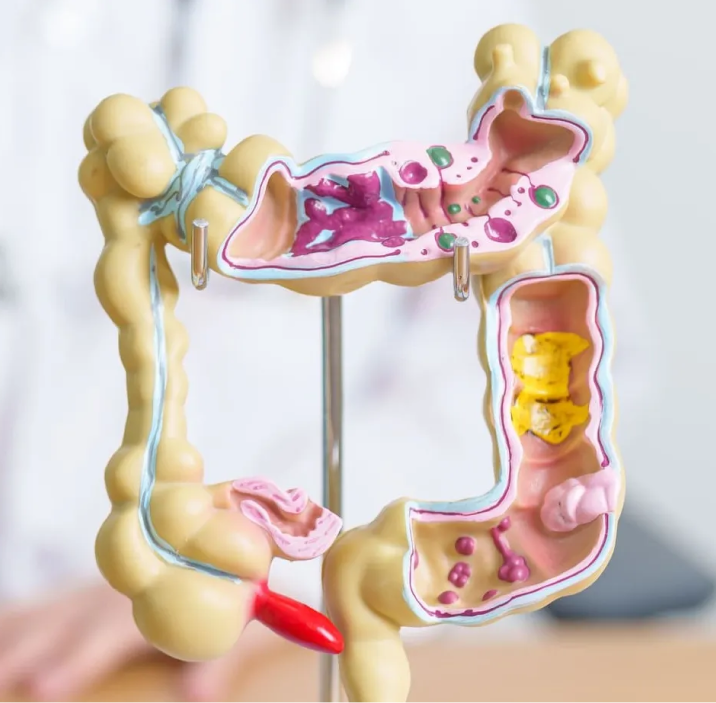
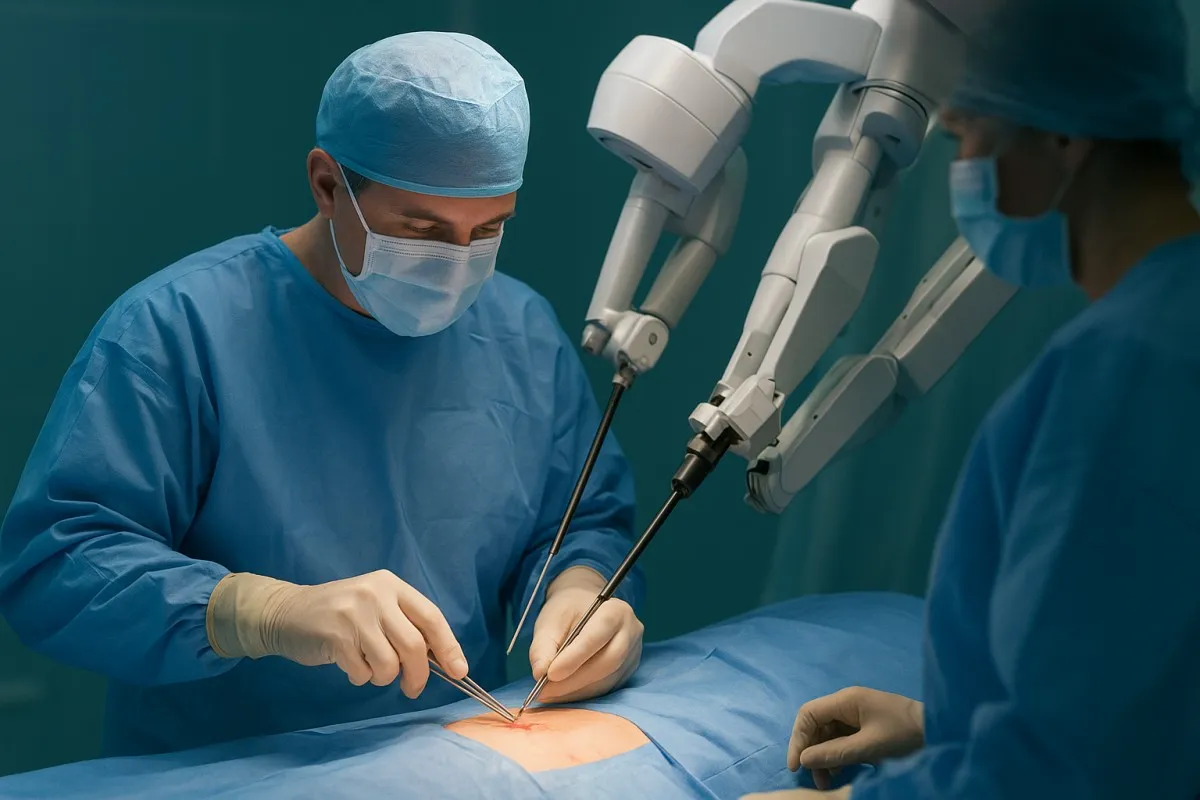
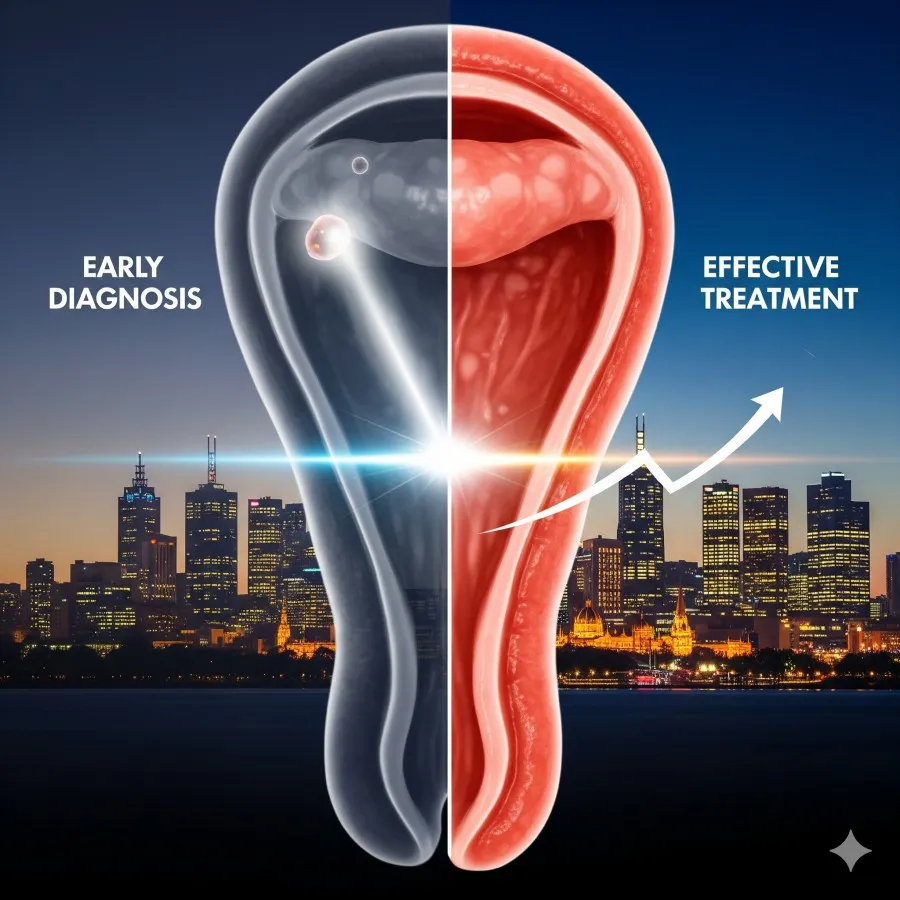


When to Seek Urgent Rectal Prolapse Treatment in Melbourne

Rectal prolapse can be a concerning and uncomfortable condition that significantly impacts daily life. That uncomfortable feeling of something protruding where it shouldn't be, combined with the worry about what it means, leaves many people wondering whether they need to rush to the emergency room or if it can wait. Let's break down when rectal prolapse becomes truly urgent and when you can breathe a little easier.

What's Actually Happening With Rectal Prolapse

Rectal prolapse happens when your rectum literally turns inside out and pokes through your anus, creating what looks like a red-purple lump. It's not pretty, and it's definitely not comfortable. This mainly affects women in their 60s and 70s, though it can happen to anyone.

There are two types to worry about - full-thickness prolapse, where the entire bowel wall is involved, and partial-thickness, where just the inner lining protrudes. Both can be distressing, but knowing which type you're dealing with helps determine how urgently you need rectal prolapse treatment in Melbourne.

When You Need to Drop Everything and Get Help Now

Some situations with rectal prolapse absolutely cannot wait. If you're bleeding heavily and it won't stop or keeps getting worse, that's your cue to get medical help immediately. Heavy bleeding can signal serious tissue damage that needs urgent attention.

Here's the really scary one - if that prolapsed tissue gets stuck and you can't gently push it back in, you're looking at a medical emergency. When the prolapse becomes trapped, blood supply can get cut off, which can cause serious damage to the tissue.

If the prolapsed tissue looks dark, black, or becomes extremely swollen, this means blood flow is compromised and you need emergency rectal prolapse treatment in Melbourne right away. The tissue is basically dying without proper blood supply.

Sudden, severe pain that comes out of nowhere or dramatically worsens also means something's gone wrong. While prolapse usually causes discomfort rather than excruciating pain, a sudden change in pain intensity suggests complications that need immediate attention.

Signs That Mean "Soon" Rather Than "Right Now"

Not every prolapse symptom requires a mad dash to the hospital, but some definitely need prompt attention. If your prolapse episodes are happening more often, lasting longer, or the prolapse itself is getting bigger, it's time to seriously consider rectal prolapse treatment in Melbourne.

Worsening incontinence that's starting to control your life rather than the other way around needs professional help. The good news is that proper treatment improves incontinence symptoms in about half of all patients, so there's real hope for getting your life back.

When you find it increasingly difficult to push the prolapse back in manually, or when what used to be a small, manageable issue becomes a large, obvious problem, you're dealing with progression that won't fix itself.

When Home Remedies Stop Working

Kids sometimes get lucky with rectal prolapse - avoiding straining and gentle care can occasionally solve the problem naturally. Adults? Not so much. Full-thickness prolapse in adults almost always requires surgical rectal prolapse treatment in Melbourne to get lasting relief.

If you've been trying dietary changes, pelvic floor exercises, and being extra careful about bathroom habits for several weeks without improvement, it's time to accept that you need professional help. Continuing to hope it'll go away on its own usually just leads to the problem getting worse and requiring more complex surgery later.

Ongoing bleeding with mucus, even if it's not dramatic, indicates persistent irritation that benefits from proper treatment. These symptoms rarely disappear without intervention and can really mess with your quality of life.

What Treatment Actually Looks Like Today

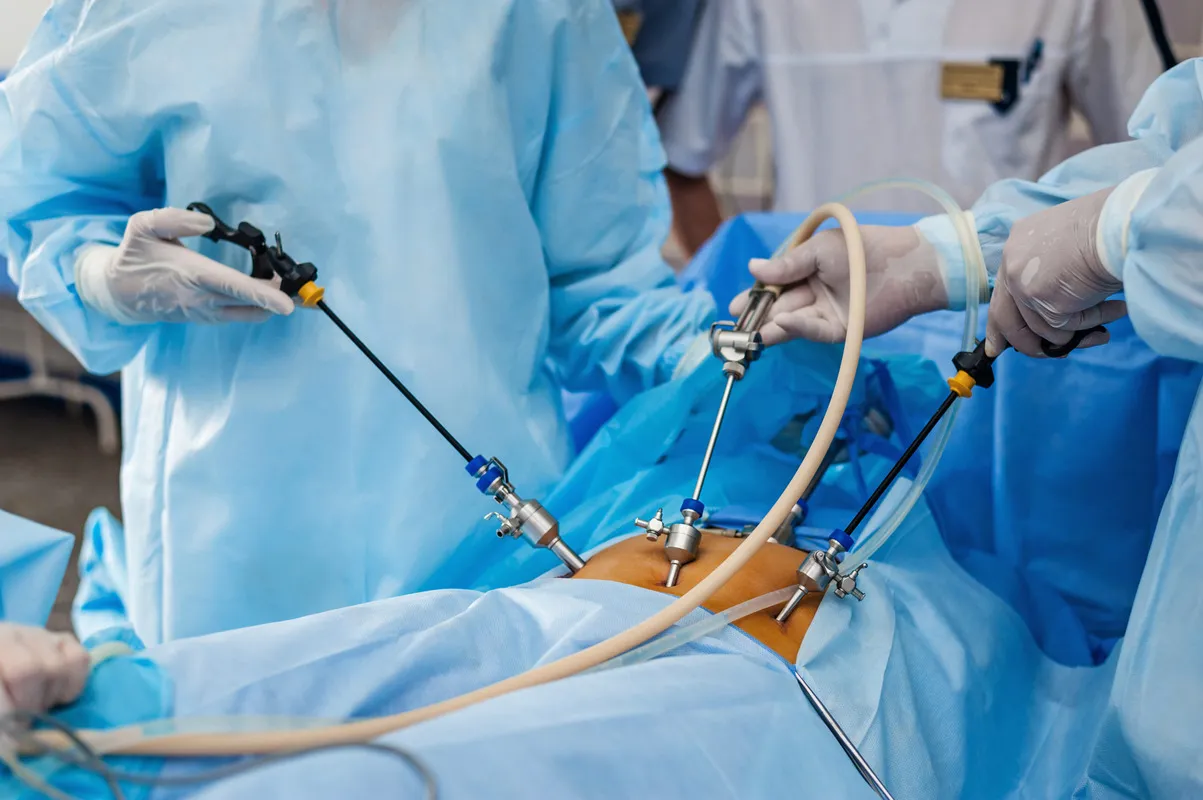
Modern rectal prolapse treatment in Melbourne offers some genuinely effective options that don't involve weeks of recovery or terrible complications. Laparoscopic ventral rectopexy has excellent success rates, especially for older patients, and avoids the constipation problems that used to plague older surgical techniques.

The laparoscopic procedure places mesh between the rectum and vagina for support, securing it to nearby tissues. Most patients tolerate this approach well and see good results over time.

Other options include the Delorme procedure and Altemeier rectosigmoidectomy. Your surgeon will choose the best approach based on your anatomy and health. Treatment is always individualised to what works best for each person.

Getting the Help You Need

At Bayside Colorectal Group, we know prolapse symptoms can be worrying and uncomfortable. Many people put off getting help, but seeing a specialist earlier usually means better treatment options.

We use detailed testing, including muscle function studies and ultrasound to understand exactly what's happening. This helps us work out the right treatment approach for you.

If prolapse is affecting how you live day to day, it's worth getting it checked out properly. Our team at Bayside Colorectal Group can talk through what's happening and what options might help in your situation.

Disclaimer: This information is for educational purposes only and should not replace professional medical advice. Always consult with your healthcare provider for personalised treatment recommendations.

Life with a Stoma After APR Surgery in Melbourne

Starting life with a stoma after abdomino perineal resection surgery in Melbourne might feel overwhelming at first, but thousands of people across Australia live full, active lives with their stomas. The journey takes time, patience, and the right support, but it's absolutely possible to get back to doing the things you love.

What Actually Happens During APR Surgery

The APR surgery procedure in Melbourne removes the entire rectum and anus when cancer sits very low in the rectum or when other treatments won't work effectively. Surgeons create a permanent colostomy by bringing part of your colon through your abdominal wall to form a stoma - essentially creating a new way for waste to leave your body.

This abdomino perineal resection surgery in Melbourne requires real expertise. Doctors use detailed MRI scans and ultrasounds to plan exactly how the APR surgery procedure in Melbourne will work for each person's unique situation. It's major surgery, but it's also potentially life-saving.

Those First Few Weeks - What to Expect

The early days after abdomino perineal resection surgery in Melbourne focus heavily on healing and learning. Most people stay in hospital for about a week to ten days, which gives stoma nurses plenty of time to teach the essential skills for managing your new stoma.

You'll learn how to empty and change ostomy bags, what a healthy stoma should look like, and what signs might indicate problems. Don't worry if your stoma looks quite swollen and bright red initially - that's completely normal and it will shrink and settle down over the following weeks as everything heals.

Getting the Hang of Daily Stoma Care

Building good daily routines makes all the difference when living with a stoma. Today's ostomy products are remarkably discreet, completely odour-proof when used properly, and much more comfortable than many people expect. Most people empty their pouch four to six times each day and change the whole appliance every few days.

Looking after the skin around your stoma prevents irritation and helps bags stick properly. The stoma nurses teach you exactly which products to use and how to use them. Following their advice really pays off in preventing skin problems that could make life uncomfortable.

Getting Back to Your Normal Life

One of the biggest concerns people have about the APR surgery procedure in Melbourne is whether they'll be able to do normal activities again. The great news is that most physical activities become possible again as you heal and gain confidence with your stoma management.

Swimming, exercising, travelling, and working are all achievable with the right equipment and a bit of planning. You might need special sports gear or different pouches for certain activities, but very few things become completely impossible. We help patients figure out practical solutions for whatever activities matter most to them.

Eating Well with Your Stoma

Many people worry that having a stoma after abdomino perineal resection surgery in Melbourne means giving up favourite foods forever. While some foods might affect gas or stool consistency, most people can eat a varied, healthy diet with only minor adjustments.

Staying well-hydrated matters more than ever, and eating regular meals helps keep everything functioning smoothly. Some people find it helpful to keep notes about how different foods affect their stoma output, especially during those first few months of adjustment.

The Emotional Side of Recovery

Let's be honest - adjusting emotionally to life with a stoma after the APR surgery procedure in Melbourne can be tough. Feeling anxious, frustrated, or sad about body changes is completely normal and understandable after such major surgery.

Professional counselling helps many people work through these feelings. Support groups where you can talk with others who've been through similar experiences often provide the most practical, down-to-earth advice and encouragement during difficult moments.

Life Gets Better - Really

Most people adapt well to stoma life following abdomino perineal resection surgery in Melbourne. The majority report feeling confident with their stoma care within three to six months, and serious long-term complications are uncommon with proper care.

At Bayside Colorectal Group, we support patients through their entire treatment journey with expert surgical care. Contact our experienced team today to discuss your treatment options and discover our patient-centred approach to colorectal surgery.

Disclaimer: This information is for educational purposes only and should not replace professional medical advice. Always consult with your healthcare provider for personalised treatment recommendations.

Early Diagnosis and Its Impact on Rectal Cancer Treatment in Melbourne

Getting diagnosed with rectal cancer is never easy news, but here's something that might surprise you: when it's caught early, the story often has a very different ending. Early detection isn't just medical speak—it's the key that unlocks better treatment options, simpler procedures, and significantly better outcomes for people seeking rectal cancer treatment in Melbourne.

The Simple Truth About Early Detection

Think of early-stage rectal cancer like a small leak in your roof. Fix it early, and it's a manageable repair. Wait too long, and you're dealing with structural damage throughout the house. When rectal cancer is found early, it's contained, smaller, and hasn't had the chance to affect other areas of your body.

The numbers are clear: for people diagnosed with Stage I rectal cancer, the five-year survival rate is approximately 90%. Those diagnosed at stage IV have about a 15% chance. It's not about creating fear—it's about understanding that timing matters tremendously in rectal cancer treatment in Melbourne.

How Doctors Spot Cancer Early These Days

Medical technology has come a long way in helping doctors find rectal cancer in its earliest stages. Today's approach involves several types of scans: MRI, rectal ultrasound, and sometimes PET scans. Each one serves a specific purpose, and having radiologists who specialize in reading these scans makes all the difference.

Rectal ultrasound works particularly well for early cancers, giving doctors a detailed look at how far the cancer has grown into the rectal wall. MRI scans are better for cancers that have started growing deeper. PET scans help doctors check if there are any concerns in other organs like the liver or lungs.

At our clinic, we believe that getting the initial assessment right sets the foundation for everything that follows. This thorough approach to diagnosis helps us plan rectal cancer treatment in Melbourne that's specifically tailored to each person's situation.

More Choices When Cancer Is Caught Early

Here's where early detection really shines: it gives you options. When rectal cancer is found early, patients often qualify for less invasive treatments that work just as well as more extensive surgeries. Techniques like TEMs and TAMIS allow surgeons to remove early cancers through minimally invasive approaches.

These procedures work through your body's natural openings, so surgeons can get to the cancer and remove it without making large incisions. Think of it like fixing something through a small opening rather than tearing down the whole wall—you get the same fix with much less disruption to your body and a quicker bounce-back time.

If you need something more involved, catching cancer early still gives you access to all the newest surgical options. Your surgeon might recommend robotic surgery, keyhole techniques, or more traditional approaches. It really comes down to what makes the most sense for your specific situation, making sure your rectal cancer treatment in Melbourne fits your needs perfectly.

The Team That Works for You

One of the best parts about early diagnosis is having time for your medical team to work together properly. When cancer is caught early, medical oncologists, radiation specialists, and surgeons can coordinate their efforts without the pressure of emergency decisions.

This collaborative approach means every aspect of your care works together seamlessly. Instead of rushing from one appointment to another, you have a coordinated plan where each specialist knows exactly what the others are doing. We've found this teamwork approach leads to better outcomes and less stress for our patients receiving rectal cancer treatment in Melbourne.

What to Watch For

Paying attention to your body doesn't require medical training. Changes in bowel habits that stick around, blood in your stool, persistent abdominal discomfort, losing weight without trying, or feeling unusually tired for weeks are all worth discussing with your doctor.

These symptoms don't automatically mean cancer—they can indicate many different conditions. But getting them checked means you'll know for sure, and if it is cancer, treatment can start right away. Regular screening colonoscopies also catch problems before they become serious, which is the best early detection of all.

Taking the Next Step

Early diagnosis completely changes the landscape of rectal cancer treatment in Melbourne. It takes what feels like an overwhelming diagnosis and makes it something you can actually tackle. With today's treatments and a good medical team behind you, early detection really does make all the difference.

At Bayside Colorectal Group, we're here to support you through every step of your health journey. If something doesn't feel right or you have questions about your symptoms, don't wait. Contact us today and let's get you the answers and care you need.

Disclaimer: This information is for educational purposes only and should not replace professional medical advice. Always consult with qualified healthcare providers for diagnosis, treatment options, and medical decisions specific to your individual circumstances.

Robotic Colorectal Surgery in Melbourne

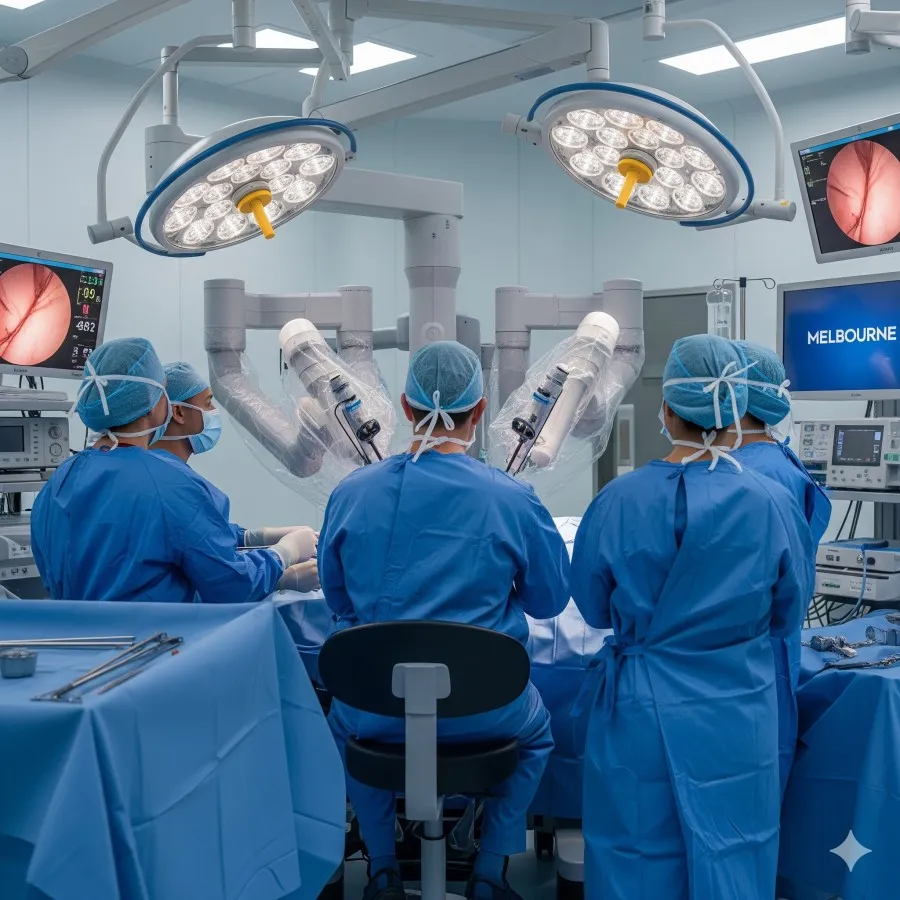
Nobody really wants to think about needing bowel surgery. But if you do find yourself in that position, you'll probably want to know about the newer options available. Robotic colorectal surgery in Melbourne is becoming pretty common these days, and patients seem to have some good things to say about it.

So What Actually Is Robotic Surgery?

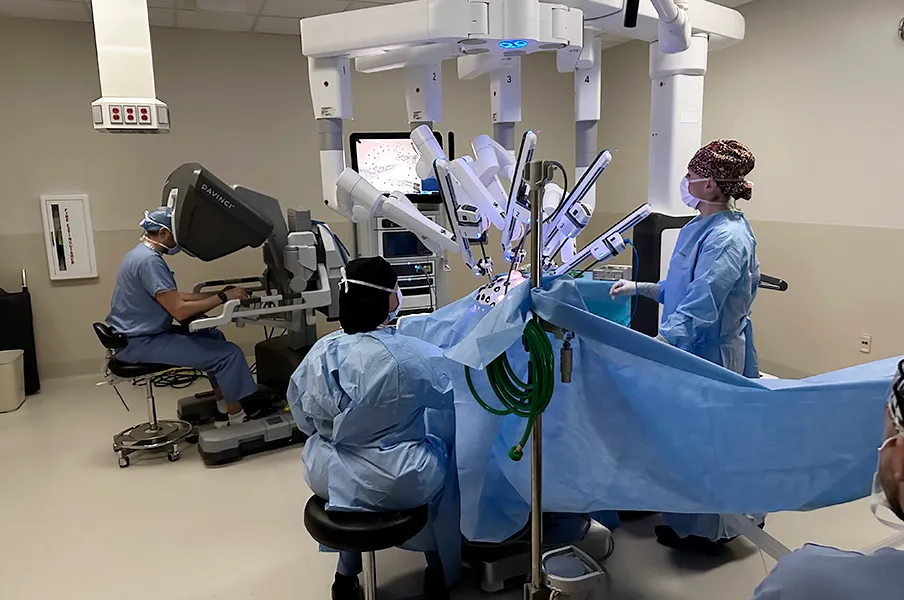
Your surgeon is still doing everything, but they're using this robotic system that gives them steadier hands and a much better view of what they're doing. Think of it like advanced tools that help surgeons be more precise. 

Robotic colorectal surgery in Melbourne has been around for a while now and it's not some experimental thing. Plenty of studies have looked into it, especially for bowel cancer surgery, and so far the results look pretty good.

What Patients Actually Experience

Here's what people who've had robotic colorectal surgery in Melbourne tend to notice compared to traditional surgery:


Less Pain During Recovery

The smaller incisions typically mean less pain afterwards. Most patients say they needed fewer pain medications and felt more comfortable during recovery.


Getting Back to Normal Happens Faster

This is what patients talk about most. Many people find they can get back to work, pick up their kids, or just feel like themselves again weeks sooner than they expected. One patient mentioned being able to walk properly within days rather than weeks.


Less Time in Hospital

Because the surgery is less invasive, many patients go home sooner. Hospital stays tend to be shorter with this approach.

What Conditions Work Well with This Approach?

Robotic colorectal surgery in Melbourne works particularly well for certain types of problems. If you need surgery on your lower colon or rectum, this might be an option worth discussing. That includes things like bowel cancer, diverticular disease, or rectal prolapse.

The robot is especially handy when surgeons need to work in tight spaces - like down in the pelvis - where traditional instruments can be a bit clunky.

Where You Can Get This Done

In Melbourne, you can have robotic colorectal surgery in Melbourne at Epworth Richmond and Freemasons Hospital. These hospitals have invested in the latest robotic systems, so you're getting access to pretty current technology without having to travel far from home.

Is It Right for Everyone?

Not necessarily. Your surgeon will need to have a proper look at your specific situation to see if robotic surgery makes sense for your case. Some conditions are better suited to this approach than others, and sometimes the traditional methods are still the way to go.

The good thing is that robotic colorectal surgery in Melbourne is just one option in the toolkit. Your surgeon can explain what might work best for your particular problem.

The Reality Check

Look, any surgery comes with risks and recovery time. Robotic surgery tends to be gentler, but it's still surgery. You'll still need time to heal, and you'll still need to follow your surgeon's advice about taking it easy for a while.

The difference is that many patients find the whole experience a bit more manageable than they expected.

Our Experience at Bayside Colorectal Group

We've been using robotic techniques for quite a while now, and we've seen how it can help the right patients. We're straightforward about who's a good candidate and who might be better off with other approaches.

Want to know if robotic surgery might work for you? Get in touch with our team at Bayside Colorectal Group. We'll take a proper look at your situation and give you the straight story about your options.  No medical jargon, no pressure - just straightforward guidance to help you make the right decision for your health.

Disclaimer

This information is for general educational purposes only and should not be considered medical advice. Individual results may vary, and not all patients are suitable candidates for robotic surgery. Always consult with a qualified healthcare professional regarding your specific medical condition and treatment options.

Can Physiotherapy Cure Rectal Prolapse

Dealing with rectal prolapse? You're not alone, and you definitely don't need to feel embarrassed about it. This condition affects way more people than you'd think – mostly women over 60 – and the good news is there are real solutions available.

The big question everyone asks: "Do I really need surgery, or can physiotherapy fix this?" Let's dive into what actually works and what's just wishful thinking.

What's Really Happening Down There?

Rectal prolapse sounds scary, but it's pretty straightforward. Your rectum basically flips inside out and pokes through your bottom. Sometimes it's just the lining (doctors call this partial-thickness), but often it's the whole thing (full-thickness).

You'll definitely know something's wrong. There's this uncomfortable purple-ish lump that might go back in by itself, plus you're dealing with bleeding, weird discharge, and probably some embarrassing accidents. Not fun, but totally manageable with the right help.

Why does this happen? Your pelvic floor muscles might be weak, or you might just have anatomy that makes you more prone to it. It's not your fault – some people are just built this way.

So, Can Physio Fix This Thing?

Pelvic floor physiotherapy is amazing for a lot of things, and it can definitely help with rectal prolapse symptoms. Melbourne has some fantastic pelvic floor clinics where therapists work with you on strengthening exercises, teach you better bathroom habits, and use cool techniques like biofeedback.

Many people feel so much better after working with a pelvic floor physio. Your incontinence might improve, you'll feel stronger, and you'll understand your body better. It's absolutely worth trying, especially for managing day-to-day symptoms.

But here's the truth bomb: if you're an adult with full-thickness rectal prolapse, physio alone won't make it disappear. Kids sometimes get lucky with conservative treatment, but grown-ups usually need something more definitive. Think of physio as a good friend, not a superhero.

When Surgery Becomes Your Best Bet

Look, nobody wants surgery, but sometimes it's exactly what you need to get your life back. Modern rectal prolapse treatment in Melbourne is incredibly sophisticated, and surgeons have dozens of techniques to choose from.

The current favorite is laparoscopic ventral rectopexy – fancy name for a minimally invasive procedure where they use a special mesh to hold everything in place. Sounds intense, but it works brilliantly and recovery is way easier than older techniques.

This approach for rectal prolapse treatment in Melbourne has crazy good success rates and older patients handle it really well. Plus, you won't deal with the constipation problems that used to plague other surgical options.

Other Ways to Get Things Fixed

Not everyone needs the same surgery. Some people do great with perineal procedures like the Delorme or Altemeier techniques. These work from a different angle but can be just as effective for the right person.

Want some hope? About half of people see major improvements in their incontinence after surgery. That's pretty encouraging when you're weighing your options for rectal prolapse treatment in Melbourne.

Getting the Full Picture

Smart rectal prolapse treatment in Melbourne starts with proper evaluation. You'll need a thorough exam, maybe some scoping procedures, and possibly specialized tests to see how your muscles and nerves are functioning.

Don't try to tough this out or hope it'll resolve itself. The sooner you get proper assessment, the more options you'll have.

The Real Deal About Treatment Success

Here's what patients really want to know: most people feel dramatically better after getting proper treatment. Whether that's surgery or a combination approach with physio, the vast majority of people get back to living normally.

The key is finding the right team who understands both the medical side and what you're going through emotionally.

Time to Stop Suffering

At Bayside Colorectal Group, we understand how challenging this condition can be. Our specialist colorectal surgeons focus on providing up-to-date, quality care with an emphasis on efficient, state-of-the-art management from initial assessment through follow-up.

Don't let this condition control your life any longer. Contact us to discuss what rectal prolapse treatment in Melbourne options are available for your specific situation. We're here to help you explore the best path forward with compassionate, patient-centered care.

APR Surgery in Melbourne

It’s very common that when doctors recommend APR surgery, it may sound strange. Since the subject is not that common, patients may have many questions. For example, they may ask, "How long will the operation actually take?” 

As a complex procedure, there isn't a single, universal answer. The duration of an abdomino perineal resection surgery in Melbourne can vary, but typically, patients can expect the procedure to last between three and six hours. This time frame depends on a number of critical factors, which we will explore to give you a clear and realistic expectation. 

What is Abdomino-Perineal Resection (APR) Surgery and How Long Does It Take?

An abdominoperineal resection (APR) is a major surgical procedure performed to remove the rectum and anus. It is most commonly used to treat very low rectal cancers that are located too close to the anal sphincter muscles to allow for a reconstruction. 

Because the anus is removed, this abdomino perineal resection surgery in Melbourne requires the creation of a permanent colostomy, where the end of the colon is brought through the abdominal wall to create a stoma for waste to pass into a pouch. The complexity of operating deep within the pelvis, surrounded by delicate nerves and structures, is what primarily influences the time the procedure takes.

The duration of the APR surgery can vary depending on surgical technique and patient factors. Generally, the procedure takes about 2 to 3 hours. So, abdomino perineal resection surgery in Melbourne, depending on the surgical method, typically spans 2 to 4 hours—with minimally invasive approaches often being quicker. 

Factors That Impact the Duration of the Surgery

There are several technical factors that directly influence the length of the APR surgery procedure in Melbourne. The first one is the patient’s physical side, which is unique. For example, a narrow male pelvis can make surgical access more time-consuming and challenging. 

The second major factor is the reason for surgery. A complex cancer that has involved nearby structures may require a more meticulous dissection than surgery for a benign condition. The surgical approach itself is also a significant factor, which we will break down next.

What happens during APR surgery?

Once you are under general anaesthesia, the surgeon proceeds further in two phases:

  • Abdominal phase: In this phase, the professional removes the rectum, anus, and part of the sigmoid colon along with nearby lymph nodes.
  • Perineal phase: In this phase, the professional will close the anus and create a permanent colostomy. 

The end of the healthy colon is brought out through a carefully created opening in the abdominal wall to form the stoma. This is a precise step crucial for your long-term management.

This combined abdominal-and-perineal approach is integral to the APR surgery procedure in Melbourne, demanding precision and well-coordinated care across surgical teams.

Immediate recovery and hospital stay

Immediate recovery and hospital stay

Post surgery, you will notice a catheter attached to you and once your physical condition is stabilised, you will move to the ward. Most patients remain in hospital for around a week, during which time they learn colostomy care, gradually tolerate soft foods and begin mobilising. Older data indicate an average hospital stay of 9 days for APR patients.

Why you should consult with an experienced surgeon

Colorectal surgeons in Melbourne who perform APR surgery procedures are highly skilled and frequently educated in cutting-edge minimally invasive methods. Even though a complicated operation might take several hours, the time is spent using careful technique to minimise risks to the surrounding nerves that control sexual and bladder function and to achieve the best possible oncological outcome. 

Selecting a skilled surgeon who frequently does these operations is essential for the operation's success as well as your recuperation.

Recovery Time is What Counts

While it's important to understand the duration of the surgery itself, it's more crucial to focus on the overall recovery timeline. A well-performed surgery, even if it takes a little longer, sets the stage for a smoother recovery. 

The goal of modern abdomino perineal resection surgery in Melbourne is not just to complete the operation quickly but to do it effectively and safely, prioritising your long-term health and quality of life. Your surgical team will guide you through every step of the process, from preparation to rehabilitation.

If you have been advised that you need an APR and have further questions about the procedure, timing, or recovery, having a detailed discussion with a specialist colorectal surgeon is the best next step.

Melbourne’s Multidisciplinary Approach to Rectal Cance

There is no doubt that sometimes facing a diagnosis of rectal cancer can feel overwhelming. In such a complex moment, the thought of coordinating your own care between different specialists is a daunting prospect. 

When surgeons, oncologists, radiologists, pathologists, nurses, and allied health professionals collaborate, patients receive coordinated, personalised care. This teamwork ensures each stage—from diagnosis to follow-up—benefits from diverse clinical expertise and patient-centred planning, leading to superior outcomes for rectal cancer treatment in Melbourne.

What is a Multidisciplinary Team (MDT)?

A multidisciplinary team is a dedicated group of medical specialists who collaborate to review your specific case and develop a comprehensive, individualised treatment plan. This is far more than a series of separate consultations. The team meets regularly to discuss your diagnostic imaging, pathology results, and overall health to ensure every decision is made with collective expertise. 

For rectal cancer treatment in Melbourne, this team typically includes a colorectal surgeon, a medical oncologist, a radiation oncologist, a radiologist, a pathologist, a cancer care nurse, and a stoma therapist. Each member provides a unique perspective to create a treatment strategy that is greater than the sum of its parts.

How MDT Meetings Improve Survival and Disease-Free Outcomes

Recent research highlights real benefits from MDT discussions. A 2025 cohort study showed that stage II–III rectal cancer patients whose cases were discussed in MDT meetings had significantly better disease-free survival, with a hazard ratio of 0.545 after matching. 

Additional analysis of the STELLAR trial also confirmed that high-quality MDT involvement improved survival outcomes in locally advanced rectal cancer. Further, an Italian study found that colorectal cancer patients managed by MDTs had markedly better disease-free and overall survival.

Maximising Outcomes and Preserving Quality of Life

The goal of modern rectal cancer treatment in Melbourne is mainly to achieve the best possible oncological outcome and to preserve the quality of life. The team carefully plans the treatment to maximise the chance of a successful surgery while minimising the risk of recurrence. 

Furthermore, they prioritise functional outcomes, such as preserving bowel and urinary function. This comprehensive planning significantly reduces patient anxiety and improves overall satisfaction with care.

Customised Treatment to the Tumour and the Person

Customised Treatment to the Tumour and the Person

It’s true that not all rectal cancers are the same because tumour location, stage, and patient preferences vary. MDTs help to empower individualised treatment planning. For some patients, TME and sphincter-sparing surgery are achievable thanks to careful preoperative planning; for others, a more radical approach may be required. MDT review ensures each choice is both clinically sound and aligned with patient goals and quality-of-life considerations.

Rectal Cancer Treatment in Melbourne: Local Impact and Expertise

In Melbourne, the multidisciplinary model enables the fusion of local clinical expertise with international best practice. Access to MDT-supported planning means patients benefit from carefully tailored treatment protocols and skilled surgical execution, including techniques like TME that preserve function while reducing recurrence rates. This approach aligns with the high standards of care expected by both the community and the medical profession.

Taking the Next Step in Your Care

One of the most important choices you or a loved one can make when dealing with a rectal cancer diagnosis is to seek treatment from a clinic that uses a true multidisciplinary approach. It guarantees that your case will be examined by a wide range of professionals committed to creating the most efficient and customised strategy for you. 

However, if you want to know more about rectal cancer treatment in Melbourne, get in touch with us at Bayside Colorectal Group.

Robotic Surgery Reduces Hospital Stays

Robotic surgery is transforming the procedure of colorectal surgery these days. For patients who are facing such surgery, a long and uncomfortable hospital recovery can be a significant source of anxiety. 

There is no doubt that traditional open surgery is effective, but it requires a substantial recovery period within the hospital walls. However, robotic colorectal surgery in Melbourne is changing this narrative in the world of advanced medical technology. 

This innovative approach is about delivering improved outcomes for patients, with one of the most notable benefits being a marked reduction in hospital stays.

What is Robotic Colorectal Surgery, Exactly?

First, let’s clear the misconception—robots do not perform the surgery on their own. robotic colorectal surgery in Melbourne involves the use of a robot-assisted system, and the surgeon guides and monitors throughout the procedure. 

Unlike traditional open surgery, which requires large incisions, or conventional laparoscopy, which has limited instrument flexibility, robotic systems provide surgeons with enhanced precision, control, and visualisation. 

This procedure is accompanied by a high-definition 3D camera that provides a magnified, crystal-clear view of the surgical site, far surpassing the human eye’s capability.

The Direct Link Between Robotic Precision and Faster Recovery

It’s true that the connection between the robotic technique and a shorter hospital stay is direct, which depends upon several factors. During a colectomy or rectal resection, the surgeon must meticulously navigate delicate structures and nerves. The enhanced dexterity of the robotic instruments allows for extremely precise dissection and manipulation of tissue. 

This precision significantly reduces blood loss during the operation and, most importantly, causes less collateral damage to the surrounding muscles and tissues. When the body experiences less trauma, its natural response is to heal faster, setting the stage for a quicker recovery.

Why Shorter Hospital Stays Matter

Going through traditional colorectal surgery means spending several days in the hospital to manage pain, monitor complications, and ensure safe healing. But keep in mind that prolonged hospitalisation can increase the risk of infections, affect mental well-being, and disrupt normal life. By reducing the length of stay, patients not only recover in the comfort of their own homes but also minimise exposure to hospital-related risks.

What the Research Shows About Evidence and Outcomes

A major study from UCL (University College London) found that robotic surgery reduced the chance of readmission by half (52%) and saw patients discharged from hospital sooner compared to those who had conventional laparoscopic surgery. 

Research from UT Southwestern published in early 2024 also concluded that robotic surgery for colon cancer resulted in fewer complications and shorter hospital stays. For patients, this means a safer procedure and a faster return to the comfort of their own home and family.

How Robotic Surgery Speeds Up Recovery

The technological advantages of the robotic system translate into specific clinical benefits that directly contribute to reducing your time in hospital. Firstly, patients typically experience less postoperative pain. 

Smaller, more precise incisions mean less tissue disruption. As a result, patients don’t have to take strong opioid pain medications, which can slow the recovery procedure and cause side effects like nausea. Early mobilisation is critically important. 

It helps prevent complications such as blood clots and chest infections, which are common reasons for extended hospital stays. Furthermore, the enhanced vision and precision of the robotic system allow the surgeon to better preserve critical nerve function. 

For rectal surgery, this can mean a lower risk of issues with urinary and sexual function and a faster return to normal bowel function. When your body’s systems resume normal activity quickly, you meet key milestones for discharge sooner.

Is Robotic Surgery the Right Choice for You?

While robotic colorectal surgery offers impressive benefits, it is not a one-size-fits-all solution for everybody. The best approach for your specific condition depends on a variety of complex factors, including your diagnosis, overall health, and anatomy. 

A detailed consultation with an experienced colorectal surgeon is essential. You can explore further details on robotic colorectal surgery in Melbourne at Bayside Colorectal Group to better understand the process and its advantages. 

Rectal Prolapse Treatment in Melbourne

Dealing with rectal prolapse isn't something you planned for. Most people have never even heard of it, which makes it feel pretty lonely when you're trying to figure out what's happening to your body and where to get help.

You're probably wondering how to find a doctor who actually knows what they're doing with this condition. The good news is that there are specialists who see this all the time and know exactly how to help you feel better.


Here's What You Need to Know

Rectal prolapse happens when part of your rectum slips down and comes out through your bottom. It sounds scary, but it's more common than you think, especially in women and older adults. You might notice tissue sticking out, have trouble controlling your bowel movements, or feel like you can never completely empty your bowels.

This stuff affects way more than just your bathroom visits. You might skip social events, worry about being too far from a toilet, or just not feel like yourself anymore. It's frustrating when something so basic becomes such a big problem in your daily life.


Finding a Doctor Who Gets It

When you're searching for rectal prolapse treatment in Melbourne, you need a colorectal surgeon. Not just any surgeon - someone who deals with this stuff regularly. Trust us, you don't want to be someone's learning experience.

These doctors have seen it all. They're not going to be shocked or judgmental. They've probably had this exact conversation with hundreds of other people who felt just as awkward as you do right now.

Look for someone who's been doing this for years. Experience counts for everything here. You want the surgeon who's done this treatment so many times they could do it with their eyes closed.


What Actually Happens

A good doctor offering rectal prolapse treatment in Melbourne isn't going to rush you straight into surgery. They'll try other things first - diet changes, exercises, supplements. Sometimes that's enough.

But if you need surgery, don't panic. Modern techniques are much less invasive than they used to be. Many procedures can be done through small incisions, which means less pain and faster recovery. Some surgeons use robotic assistance for better precision.

The main thing is finding someone who explains what they're going to do in words you actually understand. No medical mumbo-jumbo.


Questions You Should Ask

When you meet with doctors, ask them straight up: How many of these have you done? What would you do in my case? How long until I'm back to normal? What if something goes wrong?

If they can't give you clear answers or if they act like you're bothering them with questions, walk away. There are plenty of other doctors out there.


The Recovery Part

Rectal prolapse treatment in Melbourne should fix the problem, but you're not going to feel perfect overnight. Recovery takes time, and anyone who tells you otherwise is lying.

A good surgeon will tell you exactly what to expect and check on you regularly to make sure everything's healing properly. They should have other people on their team too - nurses, therapists, whoever you might need.


Making Your Choice

Find someone who works at a decent hospital with good facilities. Rectal prolapse treatment in Melbourne works better when you have access to all the right equipment and support staff.

And seriously, get a second opinion if you're not sure about something. This is your body we're talking about.


Time to Get Help

At Bayside Colorectal Group, we've been fixing problems like this for over 25 years. We know you probably don't want to be here, but we're glad you are because we can actually help.

We're not going to make this weird or uncomfortable. Our doctors have seen everything, and they're really good at what they do. We work with the best hospitals around Melbourne's bayside area, so you know you're getting proper care.

We get that this isn't just about the medical stuff - it's about getting your life back. We want you to stop worrying about bathrooms and start doing the things you enjoy again.

If you're ready to deal with this rectal prolapse treatment in Melbourne situation once and for all, give us a call. We'll figure out what's going on and fix it.


Robotic Colorectal Surgery in Melbourne

Introduction

Colorectal surgery is a critical treatment for conditions like colon cancer, diverticulitis, and inflammatory bowel disease. In Melbourne, robotic colorectal surgery is revolutionizing patient outcomes by enhancing surgical precision, minimizing complications, and speeding up recovery.

But how exactly does robotic-assisted surgery improve results compared to traditional methods? In this blog, we’ll explore the benefits of robotic colorectal surgery in Melbourne, how it works, and why it’s becoming the preferred choice for patients and surgeons alike.


What is Robotic Colorectal Surgery?

Robotic colorectal surgery is a minimally invasive technique where surgeons use a high-precision robotic system (such as the da Vinci Surgical System) to perform complex procedures with greater accuracy.

Unlike open surgery, which requires large incisions, robotic surgery uses tiny instruments and a 3D high-definition camera, allowing surgeons to operate with enhanced dexterity and control.


How Robotic Surgery Enhances Precision in Colorectal Procedures

1. Superior Visualization with 3D HD Imaging

  • The robotic system provides magnified, high-definition 3D views of the surgical area.

  • Surgeons can see fine details of blood vessels, nerves, and tissues, reducing the risk of damage.

2. Greater Dexterity & Range of Motion

  • Robotic arms mimic a surgeon’s hand movements but with greater flexibility and precision.

  • This is especially helpful in narrow pelvic areas, where traditional laparoscopic tools may be limited.

3. Reduced Human Tremor

  • The robotic system filters out hand tremors, ensuring smoother and more controlled movements.

  • This is crucial for delicate procedures like nerve-sparing rectal cancer surgery.

4. Better Access to Hard-to-Reach Areas

  • The robot’s articulating wrists can rotate 360 degrees, making it easier to operate in confined spaces.

  • This leads to more complete tumor removal and lower risk of leaving diseased tissue behind.


Faster Recovery with Robotic Colorectal Surgery

Patients undergoing robotic colorectal surgery in Melbourne typically experience:

1. Smaller Incisions, Less Scarring

  • Robotic surgery requires only small keyhole incisions, reducing trauma to surrounding tissues.

  • This leads to less post-operative pain and minimal scarring.

2. Lower Risk of Complications

  • Studies show robotic surgery reduces:

    • Blood loss during surgery

    • Infection rates

    • Risk of bowel dysfunction

3. Shorter Hospital Stay

  • Many patients go home in 2-4 days, compared to 5-7 days with open surgery.

4. Quicker Return to Normal Activities

  • Due to less tissue damage, patients recover faster and can resume:

    • Work in 2-3 weeks (vs. 6-8 weeks with open surgery)

    • Physical activities sooner


Who is a Candidate for Robotic Colorectal Surgery in Melbourne?

Robotic surgery may be recommended for:
✔ Colon or rectal cancer
✔ Diverticulitis requiring surgery
✔ Inflammatory bowel disease (Crohn’s, ulcerative colitis)
✔ Rectal prolapse repair
✔ Complex pelvic floor disorders

However, not all patients are eligible—your surgeon will assess factors like tumor size, overall health, and previous surgeries.


Robotic Colorectal Surgeons in Melbourne

Melbourne is home to leading robotic colorectal surgeons who specialize in advanced minimally invasive techniques. When choosing a surgeon, consider:

  • Experience with robotic systems (e.g., da Vinci)

  • Hospital affiliations (e.g., Epworth, Peter MacCallum, Royal Melbourne)

  • Patient success stories & outcomes


Conclusion: Is Robotic Colorectal Surgery Right for You?

Robotic colorectal surgery in Melbourne offers unmatched precision, faster recovery, and fewer complications compared to traditional methods. If you’re considering surgery for colon cancer, diverticulitis, or other colorectal conditions, consult a specialized robotic surgeon to explore your options.

APR Surgery Procedure in Melbourne

If you are reading this, chances are you or someone you love is preparing for or has recently undergone abdomino perineal resection surgery in Melbourne. There is no doubt that the thought of major surgery and living with a stoma may feel challenging and overwhelming, but we want you to know that thousands of people across Australia live active lives even after an APR surgery procedure in Melbourne

In this blog, we will shed a light on what to expect during your recovery journey and how to confidently manage your new normal. 


What Is Abdominoperineal Resection Surgery?

In this surgery, the experts remove the rectum, anus, and surrounding tissues to protect other cells due to cancer in the lower rectum. As a result, it leads to permanent colostomy, where waste of the body exists through a stoma (an opening in the abdomen). 

While this seems a major life change, specialists ensure you receive the highest standard of care throughout your journey. The decision to undergo APR surgery is not taken lightly. The surgical team will determine whether this surgical treatment offers the best outcome for your particular condition. 

It’s especially important when the diseased tissue is too close to the anal sphincter to preserve normal bowel function.


Your First Day in the Hospital: What to Expect

Immediate Post-Surgery Recovery

Waking up after the abdomino perineal resection surgery in Melbourne, you may feel groggy from the anaesthetic. This is very normal, as general anaesthesia makes you feel slow. 

You will have several tubes and dressings in place, including a catheter to drain urine until you're mobile and drainage tubes near your lower wound. The wounds will be painful for the first few days but don’t worry, the doctors will give pain management through injections and later tablets. 


The Stoma Care Team Will Handle Your Condition Afterwards

After going through the surgery, you will meet some expert stoma care nurses who will visit you regularly and teach you how to manage colostomy and also provide emotional support during the adjustment period. 

They will monitor your stoma closely to ensure it's healthy and functioning as it should. Remember, the hospital staff are there to answer all your questions, no matter how small they seem.


Adjusting to Life with a Stoma

Learning to care for your stoma is a key part of your recovery. A stoma is the part of your intestine that is brought out onto the surface of your abdomen, through which waste will pass into a colostomy bag. 

It's usually red and moist, similar to the inside of your mouth, and it has no nerve endings, so it won't hurt when you touch it.

Here are some essential steps you have to do on a daily basis:

Changing the Appliances

You will learn how to remove and attach your stoma bag, which involves gentle cleaning of the skin around the stoma. You don’t need to be scared because modern stoma appliances are secure, discreet, and skin-friendly. 

Dietary Changes

There are no hard and fast rules but you should avoid foods or drinks that cause excessive gas or blockage. 

Activity and Clothing Options

As soon as you are home, you can pursue light activities. Over time, you can return to work, hobbies, and even sports. If you can wear the right undergarments and support wear, most stomas are undetectable. 

Keep in mind that it’s extremely important to maintain proper hygiene with simple soap and water. You should also have to learn to recognise the normal appearance of your stoma and output pattern. In addition, make sure to know when it’s time to change your appliance for optimal comfort.


Your Recovery Timeline

After going through abdomino perineal resection surgery in Melbourne, when you return home, you may feel very tired and need rest 2 to 3 times daily for at least a month. 

APR Surgery

  • Weeks 1-2: Focus on rest, pain management, and learning basic stoma care.
  • Weeks 3-4: You can likely resume driving once you can make an emergency stop without wound discomfort.
  • Weeks 6-8: Return to light work may be possible.
  • Month 3: Most patients return completely to their usual activity levels.

Remember, heavy lifting should be avoided for the first three months to prevent complications like herniation around your stoma site.


Living Well with a Stoma!

Recovery from abdomino perineal resection surgery in Melbourne represents not just healing from surgery but adapting to a new way of living. That does not mean it defines the whole YOU! With proper care, a strong support system, and guidance from expert doctors like the team at Bayside Colorectal Group, you can lead a fulfilling life.

Remember that recovery is not a race—it’s a journey, so be gentle with yourself, celebrate small victories, and believe that each new day brings you closer to feeling confident and comfortable with your new normal. If you have any concerns or questions, always remember to speak to your healthcare team—they are your best resource. 

Rectal Cancer in Melbourne

Receiving a rectal cancer diagnosis brings many questions, particularly about treatment options and what to expect during recovery. Fortunately, advances in surgical technology have transformed how doctors approach rectal cancer treatment, offering patients in Melbourne access to sophisticated techniques that weren't available just years ago.


How Robotic Surgery Transforms Treatment

When most people think of surgery, they imagine large incisions and lengthy recovery periods. Robotic surgery challenges these assumptions entirely. This advanced surgical technology offers surgeons improved three-dimensional vision and more precise instrument manipulation during minimally invasive operations.

For rectal cancer treatment in Melbourne, this technology addresses one of surgery's most challenging aspects: working within the tight confines of the pelvis. The robotic system provides surgeons with enhanced vision and precision that simply wasn't possible with traditional methods. Instead of relying on feel and limited visibility, surgeons can now see every detail clearly and move with unprecedented accuracy.


Real Benefits for Real Patients

The improvements aren't just technical – they translate into meaningful differences for patients. Recent studies show that robotic surgery reduces rectal cancer recurrence and boosts recovery outcomes, with 87.2% of robotic patients remaining cancer-free at three years compared to 83.4% with traditional laparoscopic approaches.

Beyond cancer control, patients notice significant improvements in their daily lives. Robotic surgery resulted in superior urinary, sexual, and bowel function, especially in the first 6 months after surgery. These aren't small improvements – they represent substantial differences in quality of life during the crucial recovery period.

Hospital stays become shorter too. Patients undergoing robotic surgery experienced shorter hospital stays and lower rates of complications, allowing people to return home sooner and resume their normal routines more quickly.


Who Benefits from These Approaches?

The beauty of modern robotic technology lies in its versatility. Robotic rectal surgery for cancer in obese patients is equally safe and effective as in nonobese patients, expanding treatment options for patients who might have faced more limited choices in the past.

However, success depends heavily on proper patient selection and surgical expertise. Minimally invasive approaches, such as laparoscopy and robotic surgery, are highlighted for their perioperative benefits, although careful patient selection and surgical expertise are required. This is why choosing the right surgical team matters so much when considering rectal cancer treatment in Melbourne.


Understanding Your Options

Today's patients have multiple minimally invasive options available for rectal cancer treatment in Melbourne. Minimally invasive surgical methods have revolutionized rectal surgery over the past two decades, offering improved treatment options for various colorectal conditions.

Each approach – whether traditional laparoscopic surgery, robotic-assisted procedures, or transanal techniques – has its place. The key lies in matching the right technique to each patient's specific situation, considering factors like tumor location, size, and individual anatomy.


What Recovery Actually Looks Like

Rather than weeks of difficult recovery, many patients find themselves surprised by how manageable their healing process becomes. Small incisions heal faster than large ones. Less tissue damage means less pain. Preserved healthy tissue means better function long-term. These aren't promises – they're consistent findings from patients who've undergone robotic rectal cancer treatment in Melbourne.


Expert Care When You Need It Most

At Bayside Colorectal Group, we've seen how these advanced techniques can change lives. We combine cutting-edge robotic technology with the personalized attention that every patient deserves during their cancer journey. Our team understands that behind every diagnosis is a person with concerns, questions, and hopes for the future.

We're committed to providing comprehensive rectal cancer treatment in Melbourne that addresses not just the cancer itself, but your overall well-being throughout the treatment process. From initial consultation through recovery and follow-up care, we're here to support you every step of the way.

Ready to learn more about your options? Contact us today to discuss how our advanced surgical techniques might benefit your specific situation.

Disclaimer: This information is for educational purposes only and should not replace professional medical advice. Treatment outcomes may vary based on individual circumstances. Always consult with qualified healthcare professionals for personalized medical guidance.

Recent Blog
CTA-img

Book an appointment