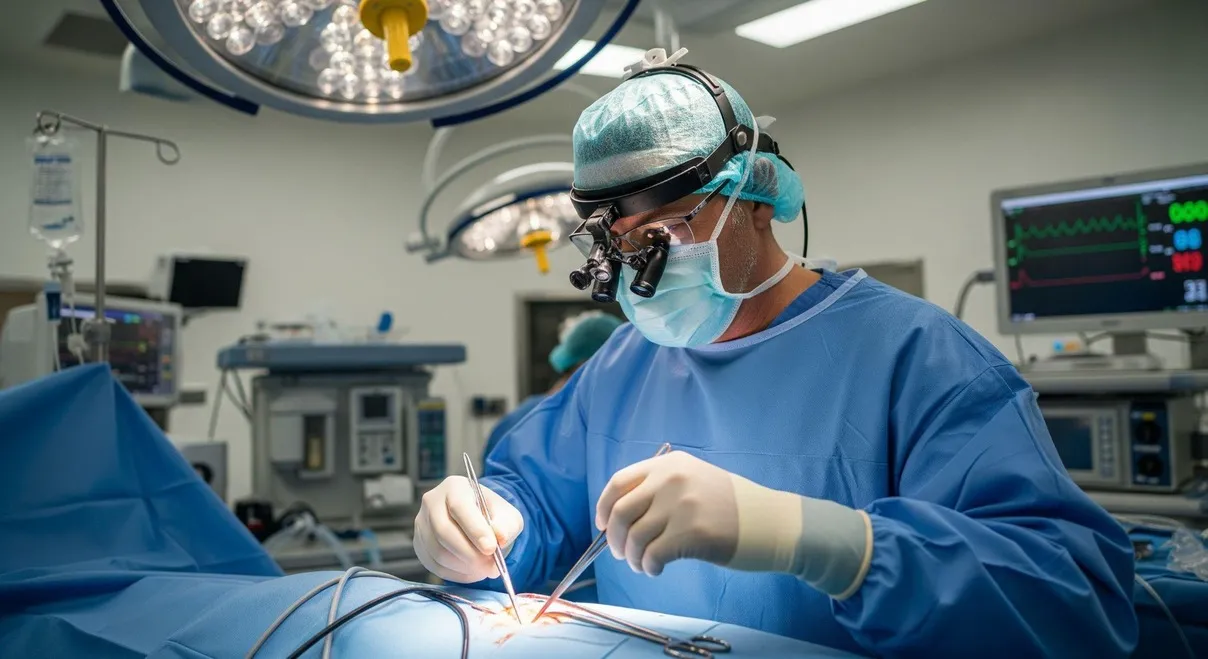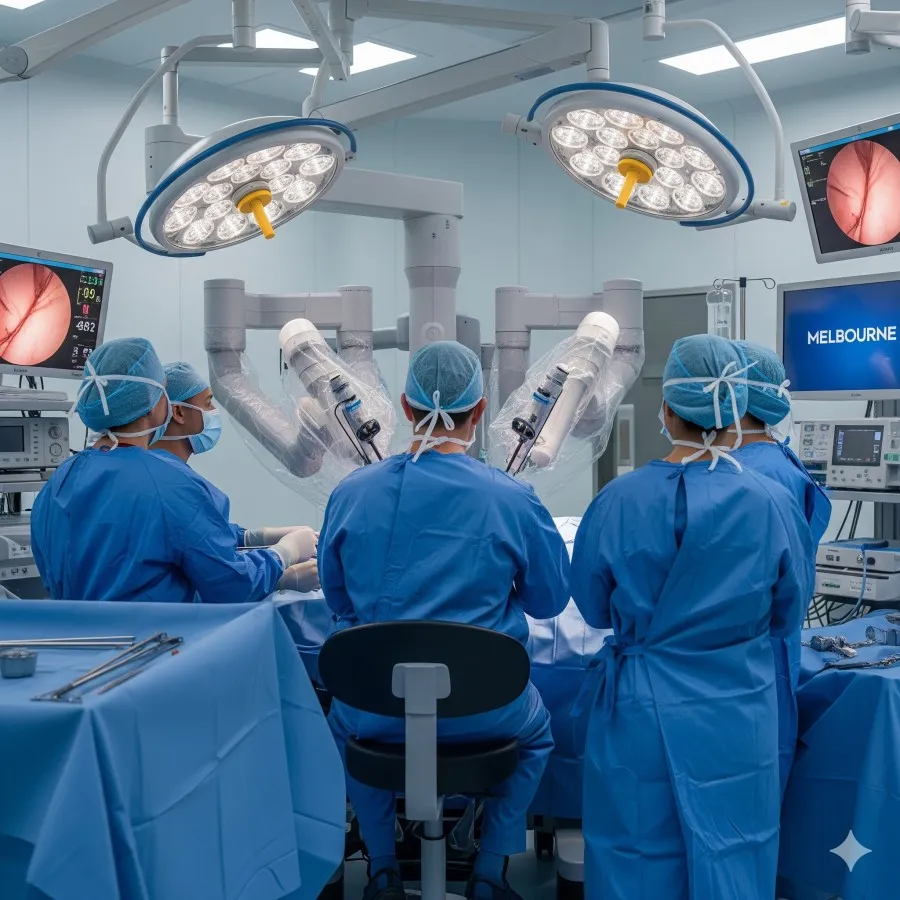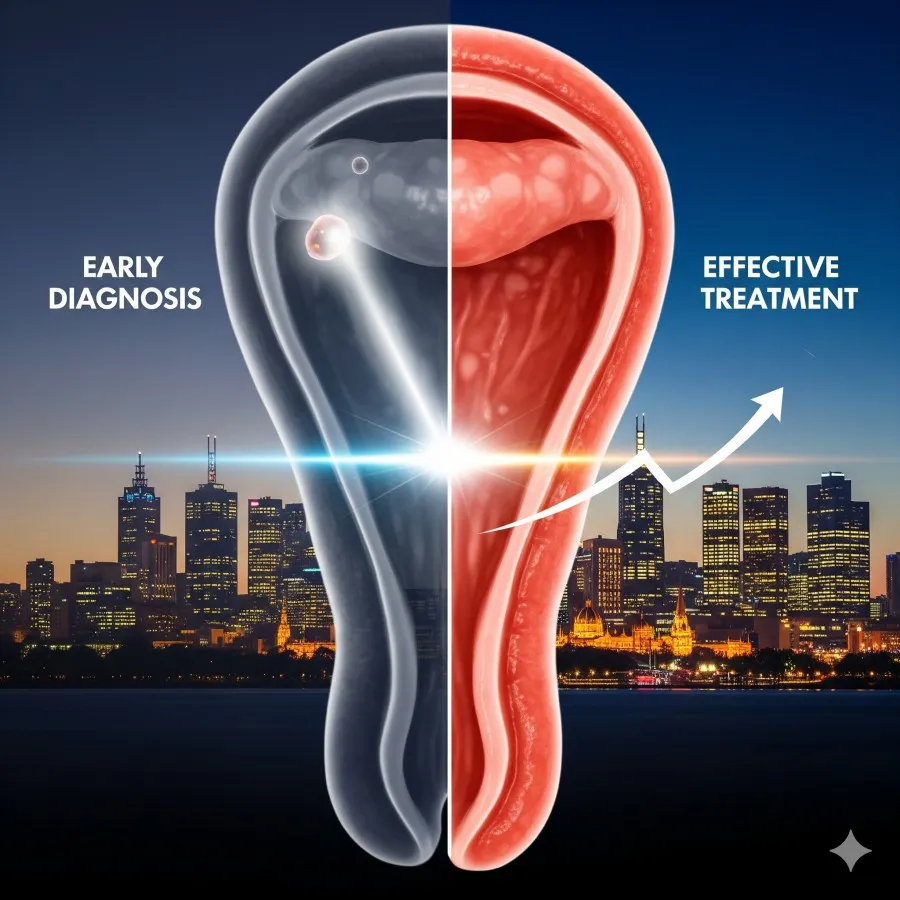

If you are reading this, chances are you or someone you love is preparing for or has recently undergone abdomino perineal resection surgery in Melbourne. There is no doubt that the thought of major surgery and living with a stoma may feel challenging and overwhelming, but we want you to know that thousands of people across Australia live active lives even after an APR surgery procedure in Melbourne.
In this blog, we will shed a light on what to expect during your recovery journey and how to confidently manage your new normal.
What Is Abdominoperineal Resection Surgery?
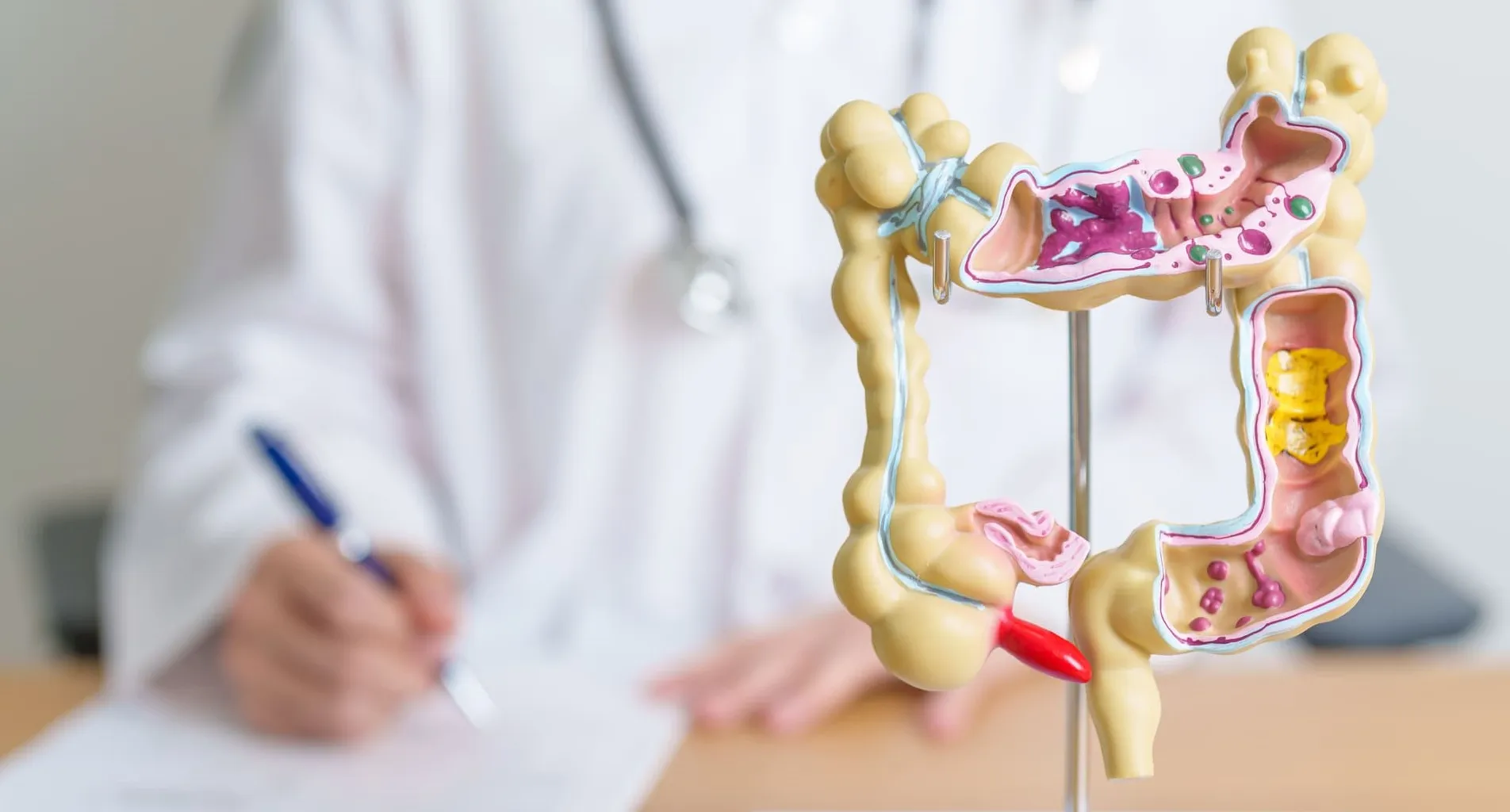
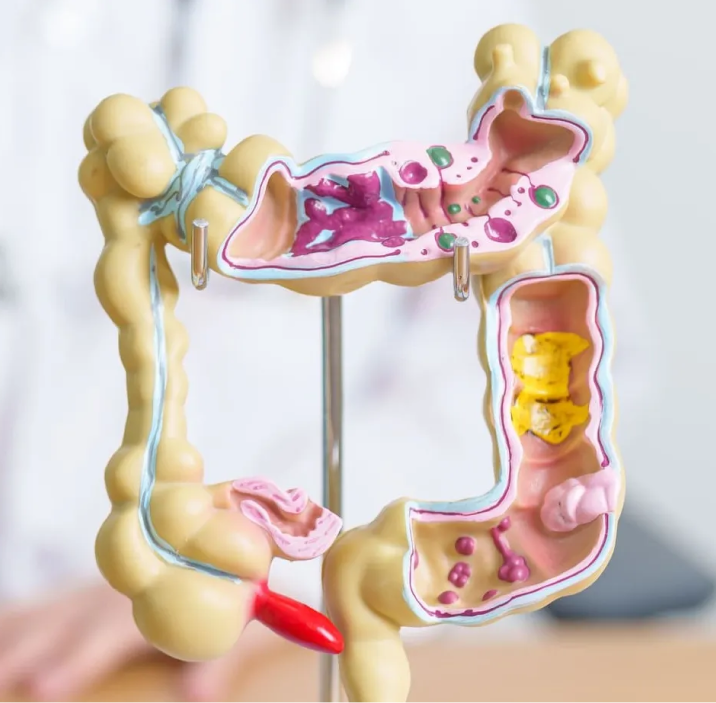
In this surgery, the experts remove the rectum, anus, and surrounding tissues to protect other cells due to cancer in the lower rectum. As a result, it leads to permanent colostomy, where waste of the body exists through a stoma (an opening in the abdomen).
While this seems a major life change, specialists ensure you receive the highest standard of care throughout your journey. The decision to undergo APR surgery is not taken lightly. The surgical team will determine whether this surgical treatment offers the best outcome for your particular condition.
It’s especially important when the diseased tissue is too close to the anal sphincter to preserve normal bowel function.
Your First Day in the Hospital: What to Expect
Immediate Post-Surgery Recovery
Waking up after the abdomino perineal resection surgery in Melbourne, you may feel groggy from the anaesthetic. This is very normal, as general anaesthesia makes you feel slow.
You will have several tubes and dressings in place, including a catheter to drain urine until you're mobile and drainage tubes near your lower wound. The wounds will be painful for the first few days but don’t worry, the doctors will give pain management through injections and later tablets.
The Stoma Care Team Will Handle Your Condition Afterwards
After going through the surgery, you will meet some expert stoma care nurses who will visit you regularly and teach you how to manage colostomy and also provide emotional support during the adjustment period.
They will monitor your stoma closely to ensure it's healthy and functioning as it should. Remember, the hospital staff are there to answer all your questions, no matter how small they seem.
Adjusting to Life with a Stoma
Learning to care for your stoma is a key part of your recovery. A stoma is the part of your intestine that is brought out onto the surface of your abdomen, through which waste will pass into a colostomy bag.
It's usually red and moist, similar to the inside of your mouth, and it has no nerve endings, so it won't hurt when you touch it.
Here are some essential steps you have to do on a daily basis:
Changing the Appliances
You will learn how to remove and attach your stoma bag, which involves gentle cleaning of the skin around the stoma. You don’t need to be scared because modern stoma appliances are secure, discreet, and skin-friendly.
Dietary Changes
There are no hard and fast rules but you should avoid foods or drinks that cause excessive gas or blockage.
Activity and Clothing Options
As soon as you are home, you can pursue light activities. Over time, you can return to work, hobbies, and even sports. If you can wear the right undergarments and support wear, most stomas are undetectable.
Keep in mind that it’s extremely important to maintain proper hygiene with simple soap and water. You should also have to learn to recognise the normal appearance of your stoma and output pattern. In addition, make sure to know when it’s time to change your appliance for optimal comfort.
Your Recovery Timeline
After going through abdomino perineal resection surgery in Melbourne, when you return home, you may feel very tired and need rest 2 to 3 times daily for at least a month.

- Weeks 1-2: Focus on rest, pain management, and learning basic stoma care.
- Weeks 3-4: You can likely resume driving once you can make an emergency stop without wound discomfort.
- Weeks 6-8: Return to light work may be possible.
- Month 3: Most patients return completely to their usual activity levels.
Remember, heavy lifting should be avoided for the first three months to prevent complications like herniation around your stoma site.
Living Well with a Stoma!
Recovery from abdomino perineal resection surgery in Melbourne represents not just healing from surgery but adapting to a new way of living. That does not mean it defines the whole YOU! With proper care, a strong support system, and guidance from expert doctors like the team at Bayside Colorectal Group, you can lead a fulfilling life.
Remember that recovery is not a race—it’s a journey, so be gentle with yourself, celebrate small victories, and believe that each new day brings you closer to feeling confident and comfortable with your new normal. If you have any concerns or questions, always remember to speak to your healthcare team—they are your best resource.
Recent Blog
-

Robotic & Minimally Invasive Surgery for Rectal Cancer in Melbourne
Receiving a rectal cancer diagnosis brings many questions, particularly about treatment options...
-
How Robotic Colorectal Surgery in Melbourne Improves Precision & Recovery
Introduction Colorectal surgery is a critical treatment for conditions like colon cancer,...
-
Choosing the Best Specialist for Rectal Prolapse Treatment in Melbourne
Dealing with rectal prolapse isn't something you planned for. Most people have...
-
How Robotic Surgery Reduces Hospital Stays for Melbourne Colorectal Patients
Robotic surgery is transforming the procedure of colorectal surgery these days. For...
-
Melbourne’s Multidisciplinary Approach to Rectal Cancer: Why It Matters
There is no doubt that sometimes facing a diagnosis of rectal cancer...
-
How Long Does APR Surgery Take? Melbourne Surgeon Explains
It’s very common that when doctors recommend APR surgery, it may sound...
-
Can Physiotherapy Cure Rectal Prolapse? Melbourne Pelvic Floor Clinics Respond
Dealing with rectal prolapse? You're not alone, and you definitely don't need...
-
Patient Experiences with Robotic Colorectal Surgery in Melbourne
Nobody really wants to think about needing bowel surgery. But if you...
-
Early Diagnosis and Its Impact on Rectal Cancer Treatment in Melbourne
Getting diagnosed with rectal cancer is never easy news, but here's something...